Pain is hardly ever easy. It wanders across cells, nerves, cognition, and context. Physiotherapists rest at the crossroads of all of it, asked to alleviate pain while recovering function under time stress and complex restrictions. The most effective discomfort management courses do not distribute a bag of methods. They sharpen medical thinking, strengthen knowledge of mechanisms, and refine manual abilities and technique choices so you can fulfill the particular client in front of you. This overview goes through exactly how strong training programs are constructed, where manual treatment and modalities absolutely fit, and exactly how to pick a course pathway that matches your caseload, setup, and scope.
Where pain training meets practice
A brand-new grad usually arrives at their first bone and joint facility with certain palpation abilities and a collection of exercises. Within months the outliers appear. A 42‑year‑old roofing professional with relentless shoulder discomfort despite a best cuff method. A marathoner whose hamstring discomfort flares long after the tear has recovered. A nurse that can not shake reduced back pain after a minor lifting case, currently made complex by exhaustion and poor rest. These cases are not failures of the specialist or the patient. They are signals that pain is not only a tissue problem. Discomfort monitoring training courses for physio therapists fill up the gap between typical rehabilitation and the sensible truths of nociplastic discomfort, central sensitization, and rising and fall psychosocial loads.
When individuals ask which discomfort management program to take, they usually mean two points. They desire far better hands, and they desire smarter decisions. The response is a curriculum that appreciates both.
Manual therapy's function today
Manual treatment remains a staple, yet most knowledgeable clinicians rectify their expectations with time. It is less concerning fixing a lesion and even more regarding regulating the system. Joint strategies can restore resistance to activity. Soft cells approaches can minimize protective tone. Nerve moving can desensitize inflamed interfaces. None of it cures pain in the back in one session, and none of it is worthless. The trick is adjusting dose and intent, then coupling hand-operated input with movement and education.
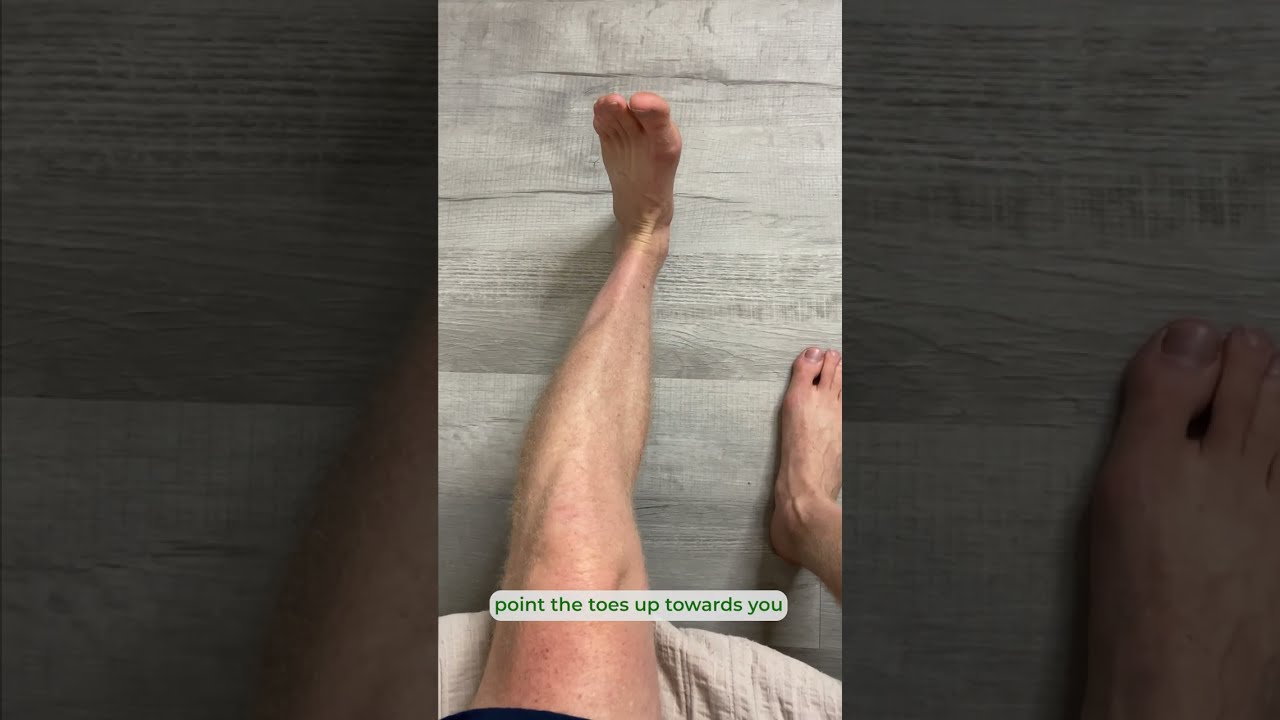
A strong manual‑focused pain administration course reveals you:
- How to make use of hands-on input as a short‑term home window to enable rated exposure, not as a standalone cure. How to pick techniques matched to sign actions and device: high irritability gets gentle, non‑provocative dosing; low irritability tolerates a lot more particular filling and mobilization. How to connect about hand-operated therapy without strengthening frailty: explain comfort and activity gain, not "placing points back in position."
In technique, I frequently run a straightforward experiment during the initial session. Apply a low‑dose technique, after that immediately retest the patient's meaningful job, like sit‑to‑stand, reach, or step‑down. If pain declines or confidence rises, we bank the gain with two minutes of activity in that new home window. If absolutely nothing adjustments, penalty, we proceed. Manual inputs are bars, not magic.
Modalities without the myth
Electrotherapy, laser, shockwave, ultrasound, heat, and chilly each have advocates and movie critics. Suffering management training, the sober middle path is best. Ask three inquiries. Does this method have at least moderate proof for this condition or mechanism? Will it open a home window to activity or function? What opportunity cost does it present in time or money?
Take TENS. Analgesic impacts are actual for some people, particularly for short‑term alleviation in severe flares, excruciating procedures, or when medication is restricted. It works through segmental restraint and descending inflection. Yet the result fades when it stops, and the size varies. Shockwave has a role in persistent tendinopathies if loading has plateaued and the patient comprehends that it is a complement, not the primary event. Healing ultrasound continues to be reduced worth for many MSK online pain management courses discomfort, with exceptions in targeted bone healing procedures where gadget and specifications matter. Heat is undervalued for high‑guard states and sleep preparation. Ice assists with serious irritability and swelling, yet it can not elude load mismanagement.
Courses that deal with methods as tools with trade‑offs, not identity pens, prepare you for real facilities where time is brief and co‑payments are real.
Understanding mechanisms without losing the patient
The language of discomfort scientific research has actually grown. Nociception differs from pain. Central sensitization can enhance signals also when cells are healing. Context shifts pain obtain up or down. Good training courses equate these ideas into clinical moves.
One strategy I show is the triad: device theory, irritability, and dominant limiter. System asks whether nociceptive motorists, neuropathic functions, or nociplastic patterns are main. Irritation establishes dose. The dominant limiter recognizes what is choking work today: fear, sleep, deconditioning, inflammatory lots, or a specific mechanical restriction. Once those 3 are clear, hand-operated selections and methods fall into place rather than determining the plan.
A brief example. A 36‑year‑old with posterior thigh discomfort after a sprint. MRI shows a quality II hamstring stress that is currently eight weeks old. She reports twinges when bending to link shoes, guarded gait, and bad sleep. Checking reveals reasonable strength yet high sensitivity to stretch. Mechanism: mainly nociceptive with a sensitized interface. Impatience: modest. Dominant limiter: motion worry plus level of sensitivity to neurodynamics. Strategy: begin with gentle hand-operated techniques around the posterior chain to decrease securing, add slider‑style nerve mobilization, deliver clear education regarding secure discomfort, and start graded loading in mid‑range. Consider short ruptureds of TENS during the initial week to alleviate agonizing tasks. Reflect on regular and taper the techniques as self-confidence rises.
What a well balanced pain monitoring curriculum covers
Good pain administration programs for physiotherapists build split proficiency rather than a single niche. Numerous components are non‑negotiable.
- Pain systems and clinical reasoning. You must finish able to safeguard a strategy in plain language to a person and in exact terms to a colleague. Manual therapy skills with application. Not simply methods, however when and how to stop, change, or pair with movement. Modality reasonings and specifications. Practical, condition‑specific support with clear caveats. Communication and expectations. Scripts and metaphors that de‑threaten without minimizing the individual's experience. Graded direct exposure and load layout. Running developments, return‑to‑work ladders, raising build‑ups, and flare‑up protocols. Sleep, stress and anxiety, and activity preparation. Basic levers with outsized impact. Outcome procedures that lead modification. Usage fast tools like pain interference, rest high quality rankings, and task‑specific ratings, not just series of motion.
Programs that weave these styles throughout situation conversations and live labs leave you prepared to take care of a messy caseload on Monday morning.
Certificates, short training courses, and the alphabet soup
Many physio therapists ask about a pain monitoring certificate or pain administration certification that signals deepness. The worth depends upon your area and company expectations. Some health systems recognize organized certification course hurting management paths that include a capstone and exam. Others care extra about portfolio and results. Short training courses hurting monitoring are typically the most effective entrance point if you desire focused abilities without a multi‑month commitment. Weekend break intensives on manual treatment application, or two‑day workshops on graded motor imagery and desensitization, can shift your method rapidly when complied with by calculated practice.
If your center offers severe treatment, take into consideration emergency situation pain administration modules. They cover triage of red flags, quick analgesic approaches that play well with medical protocols, and secure early mobilization for rib cracks, intense neck pain after minor crashes, or reduced back pain in the ED. The goal is not to replace medicine yet to give movement‑based analgesia and reduce time to discharge.

Some vocational and first‑aid structures include the code PUAEME008. It includes elements of providing discomfort management in emergency setups within defined extent. While developed for emergency response contexts, the mindset carries over: clear assessment, early analgesia strategies, safe positioning, and gauged acceleration. If your function includes sideline protection or neighborhood occasion support, assessing PUAEME008 provide discomfort administration web content can hone your decision‑making and interprofessional interaction. That stated, physiotherapists normally count on non‑pharmacological methods unless neighborhood policy and credentialing provide otherwise.
Tailoring for certain populations
The ideal training courses acknowledge that different settings alter the playbook.
Sports and high‑performance. Hands-on treatment and techniques usually serve to modulate signs in between training lots. Athletes value time‑efficient adjustments. A five‑minute peripheral nerve method complied with by a run technicians drill can be much more persuasive than a long lecture on pain physiology. Shockwave shows up at the edges for calcific tendinopathy or chronic plantar fasciopathy when loading and education have plateaued.
Spine hefty outpatient centers. Education practices matter more than any kind of tool. Educate pain irregularity as normal, usage traffic‑light plans to handle flare‑ups, and recommend motion snacks. Hands-on treatment dosages are little and regular, after that tapered, while the workout program rises from resistance to capability. Warm and TENS can assist sleep in the very first two weeks.
Pelvic health. Discomfort level of sensitivity, trauma background, and personal privacy require elegant communication. Manual work is gentle and consent‑forward. Biofeedback and breathing patterns are usually the first methods, with warmth and desensitization exercises as follow‑ups. Training courses in this domain name need to consist of interdisciplinary referral pathways.
Neuropathic discomfort presentations. When the system leans neuropathic, such as post‑surgical nerve pain or radiculopathy without modern shortage, hand-operated therapy targets interfaces and securing while education concentrates on nerve health and wellness and blood circulation. Graded exposure blends isometrics, sliders, and targeted cardiovascular work. 10s or scrambler therapy could contribute relying on schedule and client preference.
Persistent pain programs. Multidisciplinary courses radiate here. Discover to stage objectives by feature, sleep, and participation before discomfort strength. Change focus toward values‑based task. Manual inputs stay, but you stop chasing after full alleviation and begin gauging meaningful gains.
What to look for when you assess a course
Marketing can be loud. Strip it back to essentials. Is the course pragmatic, or is it offering certainty? Do instructors show professional reasoning on messy instances, not just textbook instances? Are dosage and decision policies explicit? Are technique criteria showed alongside discouraging strategies? Will certainly you exercise discussions that lower risk without rejecting pain?
The most helpful discomfort administration training programs that I have actually seen share three characteristics. First, they begin with analysis forms your strategy, not an automatic method. Second, they value time. You entrust a 30 to 45‑minute evaluation template you can utilize tomorrow, scalable to 20‑minute follow‑ups. Third, they gather information. You find out to track end results that matter to individuals, like the variety of uninterrupted rest hours or the capability to raise a grandchild, not just degrees and millimeters.
Practical manual strategies that hold up
In everyday practice, a handful of manual approaches consistently unlock to movement when made use of with care. Cervical and thoracic mobilizations to boost neck turning and reduce headache strength. Lumbar side glides and general posterior‑anterior mobilizations to feed activity into a safeguarded back. Hip distraction with movement for tight hips that limit gait. Soft tissue work around the proximal hamstring to calm a re‑flaring jogger. Outer nerve techniques like ulnar nerve sliders for median elbow pain coupled with grip and shoulder strength.
Each strategy needs a why and a what next. If a thoracic mobilization enhances a shoulder's elevation by five levels and reduces discomfort on reach, right away catch it with wall surface slides and light lugs. If a hip interruption allows pain‑free sit‑to‑stand, follow with pace bows to build tolerance.
Using methods so they offer the plan
It helps to pre‑decide how you will make use of a method rather than improvisating in fatigue. For instance, 10s ends up being a short‑term analgesic for jobs that matter: cooking, initial stroll of the morning, or post‑therapy home technique. Heat becomes an every night pre‑sleep ritual for individuals with high tone. Shockwave shows up only after at the very least 8 to twelve weeks of modern loading and adherence in persistent tendinopathy, with clear exit requirements. Ultrasound is hardly ever used except for a protocol‑driven emergency pain management indication, and also then, notified approval includes its minimal impact size.
This structure maintains modalities in a supporting function and secures center time for training and movement.
How registered nurses, physios, and groups align
Many facilities run blended groups. Pain administration courses for nurses frequently highlight safe analgesic management, surveillance, and client education on medications. Discomfort management training for nurses that overlaps with physical rehabilitation around placing, early mobilization, and pacing brings real returns. Joint situation reviews lower combined messages. When both nurse and physio use the same flare‑up strategy and activity ladders, individuals stop bouncing in between recommendations and start progressing.
Where credentialed nurses complete a discomfort monitoring certificate or pain administration certification program that consists of non‑pharmacological strategies, physios can dovetail by straightening language and reinforcing movement‑based strategies. The factor is consistency. Patients move to in agreement messages.
Managing flare‑ups without thwarting progress
Flare ups are not failing. Training courses that instruct aggressive flare‑up planning conserve hours of clinic time. I reveal patients a three‑day rule. Day one, lower load by approximately one third, keep easy motion every hour, add warmth or TENS if it aids. Day 2, repeat if needed and test a couple of activities that formerly really felt secure. Day three, effort go back to standard filling minus one variable, like less sets or lowered variety, and track response. If discomfort patterns down, resume the program. If it delays or rises, contact me sooner.
This method develops self‑efficacy and reduces dependence on last‑minute visits. It also forces us to write programs with handles you can transform: pace, range, outside tons, frequency, complexity.
Assessment supports that lead change
Pain strength alone drifts with sleep, tension, and weather. Extra stable supports assist. I ask for one meaningful feature, one engagement goal, and one rest statistics. For feature, it may be stair tolerance or unloaded squat deepness. Participation might be a regular football video game or a full job change without break. Rest can be total hours or the number of awakenings. These develop a control panel that both people can affect. Hands-on treatment might bump stair resistance today. A pacing strategy could protect the work shift today. Breathwork and warmth might add an hour of sleep by the weekend break. That visible progression builds trust even when discomfort lingers.

Building your path: from brief course to certification
If you are early in your career, begin with short training courses suffering monitoring that sharpen a narrow collection of skills and check them in center the adhering to week. Two examples that normally settle rapidly are hand-operated therapy application and communication for discomfort education and learning. As situations expand extra complicated, add modules on graded motor images, CBT‑informed activity pacing, and neuropathic pain.
For medical professionals intending to formalize experience, a pain monitoring certification program can be worth the financial investment if it includes monitored cases, gauged outcomes, and a capstone that integrates manual treatment, modalities, and training. Be cautious of programs that guarantee quick discomfort cures or rely on a solitary modality as the focal point. Breadth with deepness wins.
If your service runs intense paths, add emergency situation pain management training that clarifies red flag screens, risk-free placements of simplicity, and the line between activity analgesia and medical acceleration. In some areas, training course material will certainly reference systems like PUAEME008 supply discomfort monitoring to standardize emergency action activities. Even when your scope remains non‑pharmacological, the shared framework helps you function cleanly with ED groups and paramedics.
Two compact tools you can use tomorrow
The minute clinic is real. You commonly have only a few minutes to make a damage. Right here are 2 tools that compress well inside hectic appointments.
- The 3‑by‑3 explanation. Three sentences on what discomfort suggests for this instance, 3 sentences on what we will certainly do today, and 3 sentences on what you will do in the house. It keeps you from over‑explaining and maintains the patient from leaving confused. The window and wedge method. Locate a technique that opens a tiny home window of minimized pain or better activity, after that wedge it open with a matched task. For an uncomfortable shoulder, the home window may be a thoracic mobilization, and the wedge might be wall slides with regulated breath. For a hot back, the window may be side glides, and the wedge might be short collections of hip‑hinge practice.
Used continually, these tiny patterns produce momentum and conserve your time.
Measuring worth past the session
A program that changes technique will certainly transform your schedule. You will invest much less time chasing discomfort ratings and more time scheduling developments. Reflect on in short yet purposeful means. Fifteen secs to recheck a practical job can be a lot more useful than 5 minutes of range measurements. Ask the sleep concern near the begin of each browse through. If rest has actually dropped, readjust lots or add a recovery intervention. When a technique makes an appearance, connect a departure plan. That responsibility prevents drift into easy care as the default.
Final ideas from the therapy room
After fifteen years in clinics that vary from weekend break sporting activities to healthcare facility wards, the pattern holds. Pain reduces when the strategy values biology, beliefs, and actions simultaneously. Hands-on treatment gives you touch and timing. Techniques give you options when the floor is hot. Education and learning provides your individual the map. Courses that build these together are worth your time and money.
An excellent pain management program does not make you select in between hands and head. It reminds you that both matter, and it shows you just how to use them in the best order. Whether you pursue a discomfort administration qualification or keep stacking short courses, go for training that elevates decisions, clears up communication, and provides alter your clients can really feel in the first couple of gos to. That is the sort of worth that maintains individuals returning, not for passive care, but for partnership.